

British Values
The Department for Education states that schools have a duty to promote their pupils’ spiritual, moral, social and cultural (SMSC) development. As part of building SMSC development, and in line with DfE guidance, we teach our pupils British Values.
The Department for Education defines British Values as follows:
-
Democracy – Respect for democracy and support or participation in the democratic process.
-
The Rule of Law – Respect for the basis on which the law is made and applies in England.
-
Individual Liberty – Support and respect for the liberties of all within the law.
-
Mutual Respect and Tolerance – Support for equality of opportunity for all, respecting the faiths and beliefs of others.
British Values were originally laid out by the British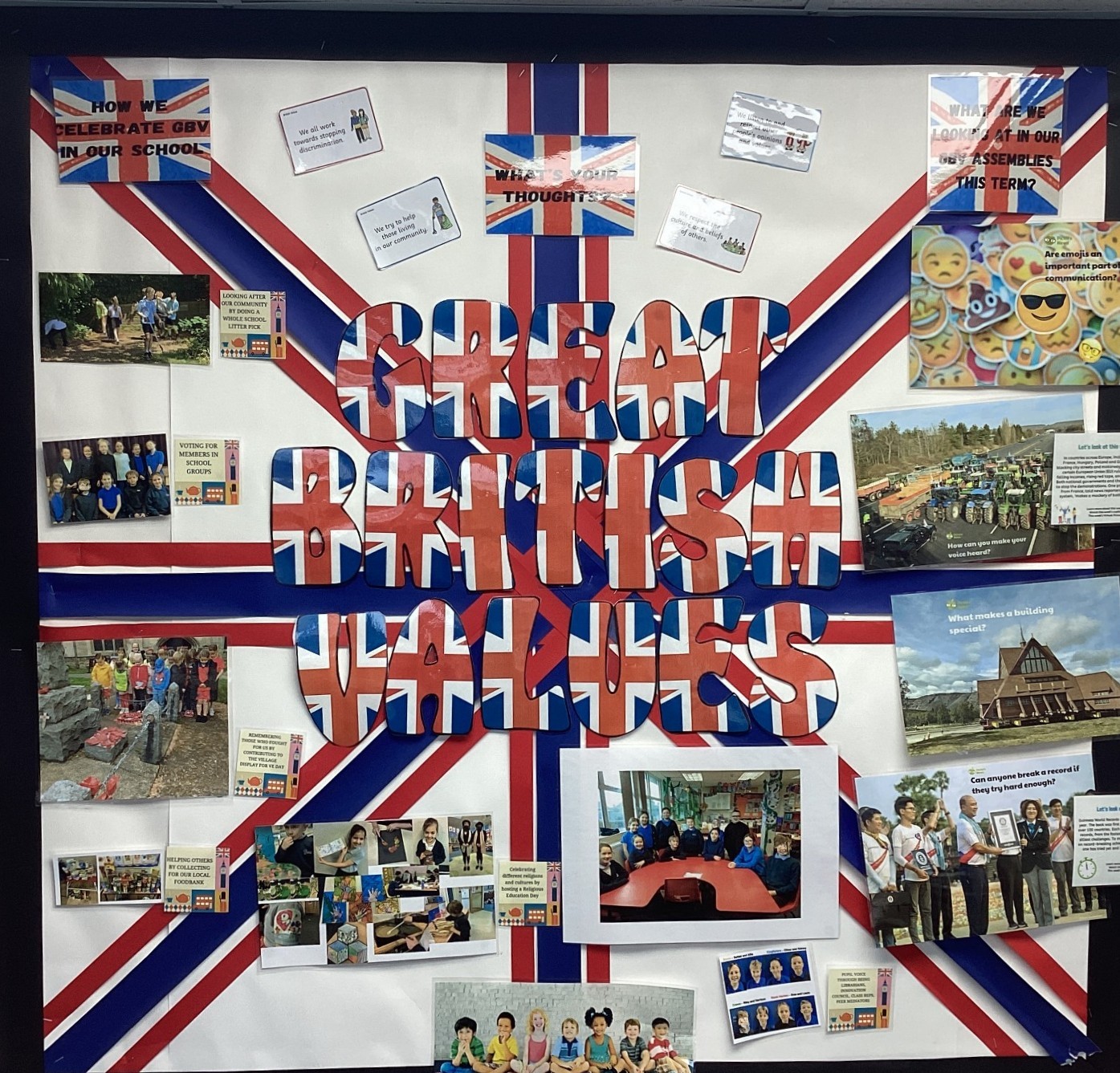 government in 2011 as part of the PREVENT counter-terrorism strategy. The values promote tolerance, community and cohesion, aiming to combat extremism and radicalisation. In 2014, the Department for Education published guidance that these values should be actively promoted in schools. The goal of the DfE was to "ensure children become valuable and fully rounded members of society who treat others with respect and tolerance" and to "ensure young people understand the importance of respect and leave school fully prepared for life in modern Britain".
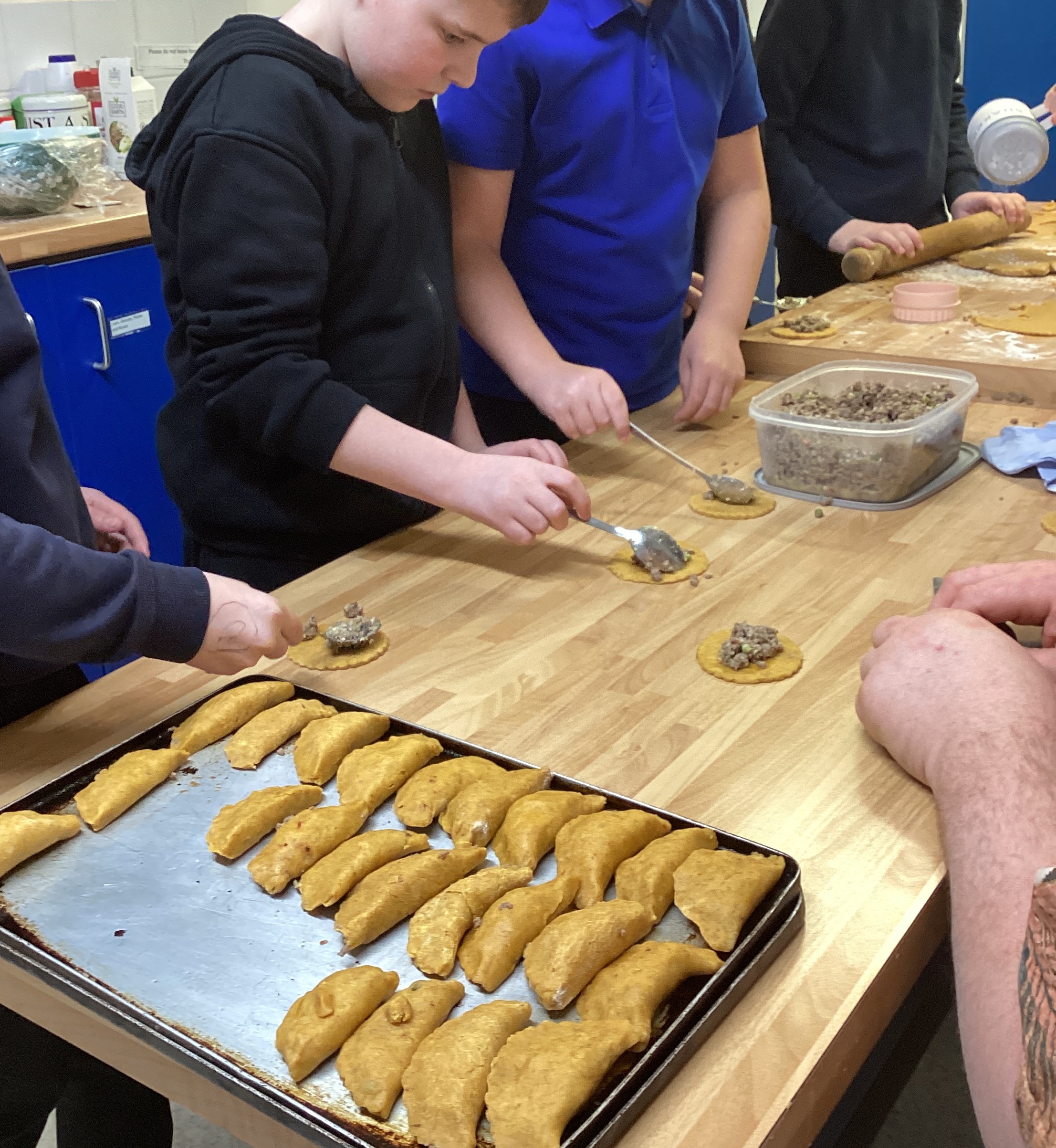
We embed these values into all we do in school, ensuring that children learn about democracy, the law, their rights, equality and respect, as part of their daily life. Below, you can see more details of how we weave these values into life at Beaupre.
Democracy – What do we do?
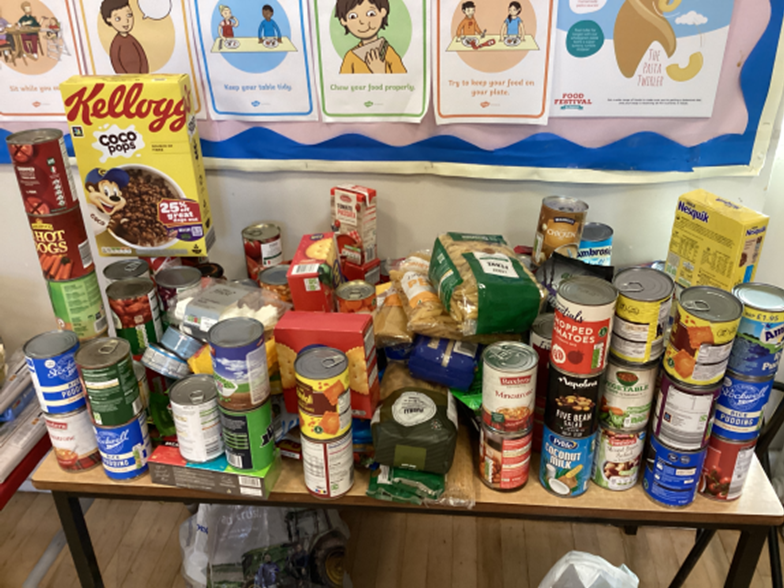
Pupils take part in fair elections for leadership roles in our school community, including for our School Councillor and House Captain roles. Holding these positions allows children to regularly share their opinions and vote on changes which help to shape our school. Outside of leadership roles, children have regular opportunities to contribute to decision-making through assemblies, pupil voice surveys and votes, while our OPAL program involves them directly in creating playtime rules and expectations. Our Year 6 class learns about protests and politics, including the civil rights movement, and democracy is included in many other topics, including our History learning around Vikings, Ancient Greece, Anglo-Saxons and more. We support many local and national charities, supporting Children in Need, Macmillan and Young Minds, as well as running an annual food collection or the Wisbech Foodbank, all to promote an understanding of social responsibility through supporting our community.
Rule of Law – What do we do?
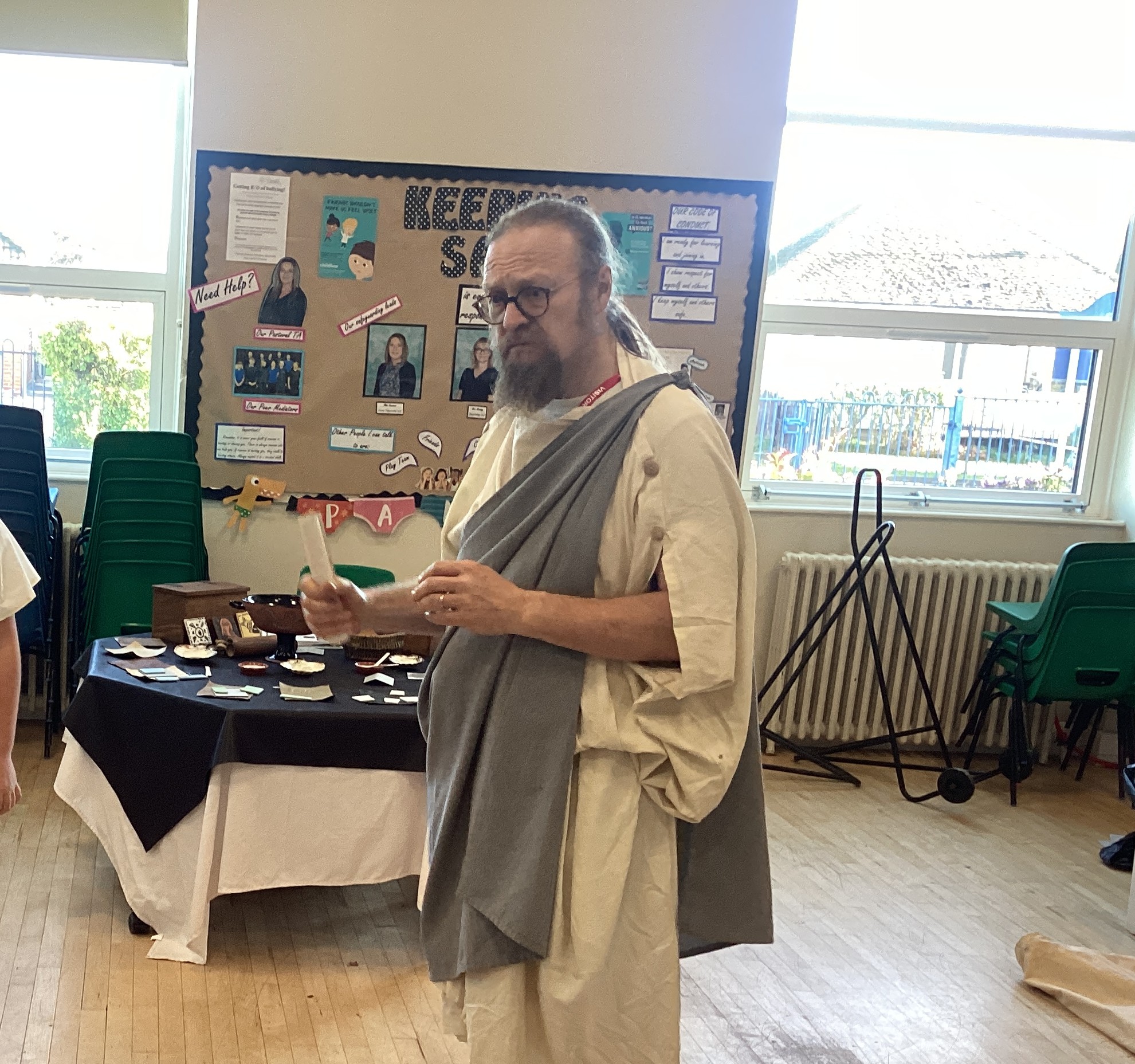
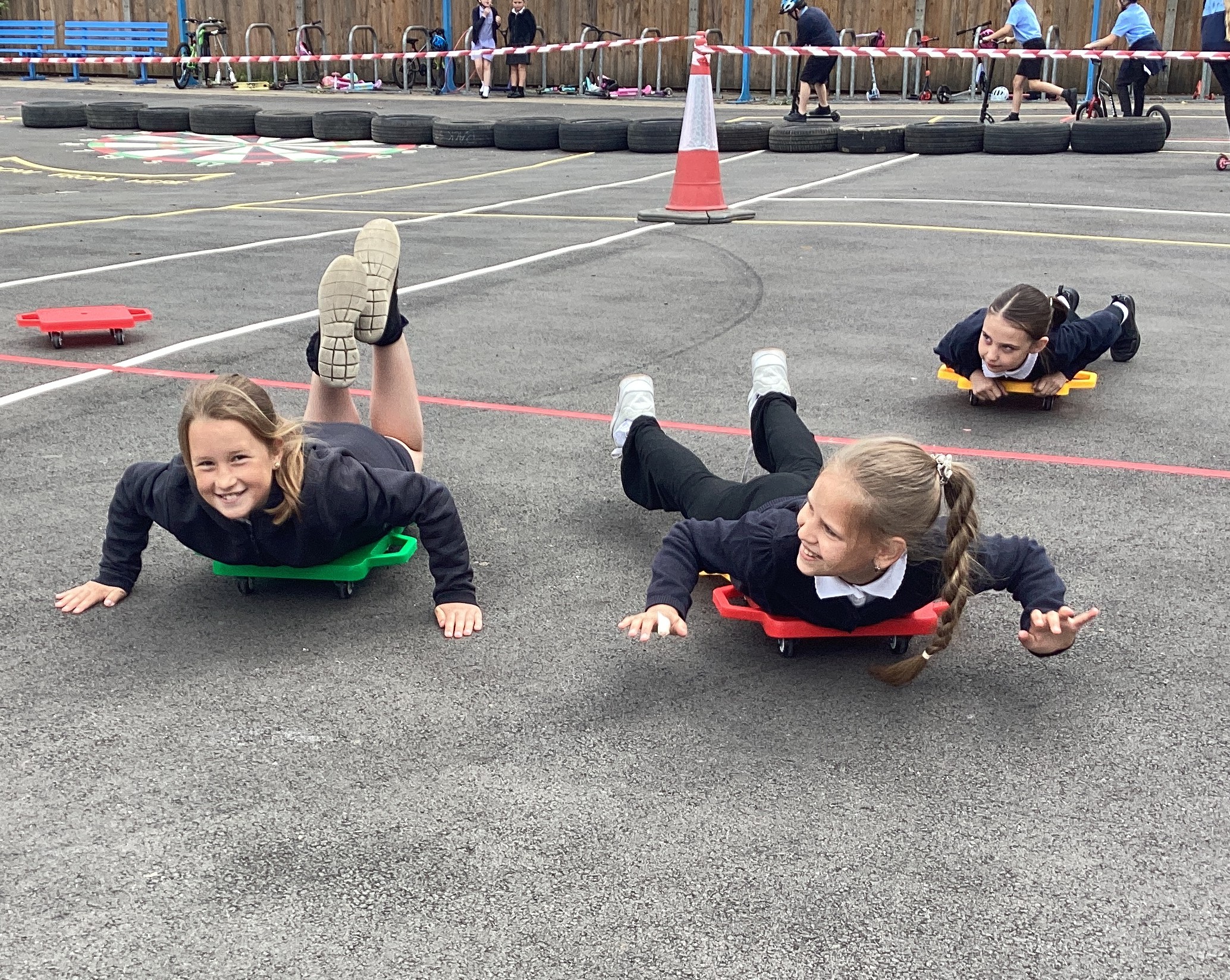
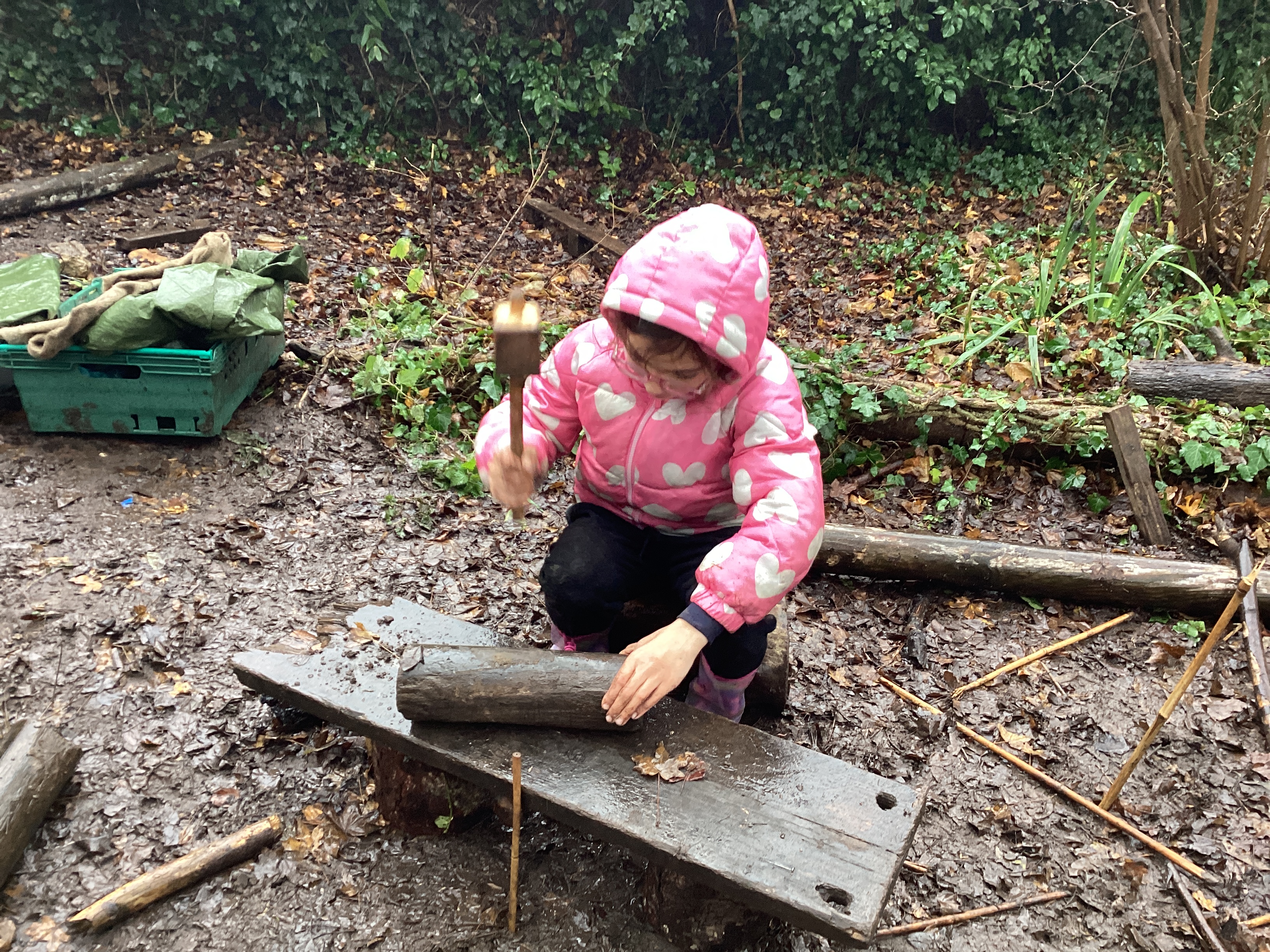
We establish fair expectations in school, with clearly explained reasoning so that children can understand why rules matter. Children also help to create class and lunchtime rules, allowing them to have a part in setting the expectations that the school community should follow. These expectations are reinforced consistently through assemblies and class learning. Positive behaviour is recognised both in class and across school through a range of reward systems, while restorative practices help our pupils reflect on their actions and understand consequences. Visits from a local lawyer and police officers have helped to deepen pupils’ understanding of UK law and this is supported by our PSHE lessons exploring laws, peer pressure and moral choices. Safety rules in woodland and OPAL sessions also work to ensure children understand the importance of behaving responsibly to keep themselves and one another safe.

Individual Liberty – What do we do?
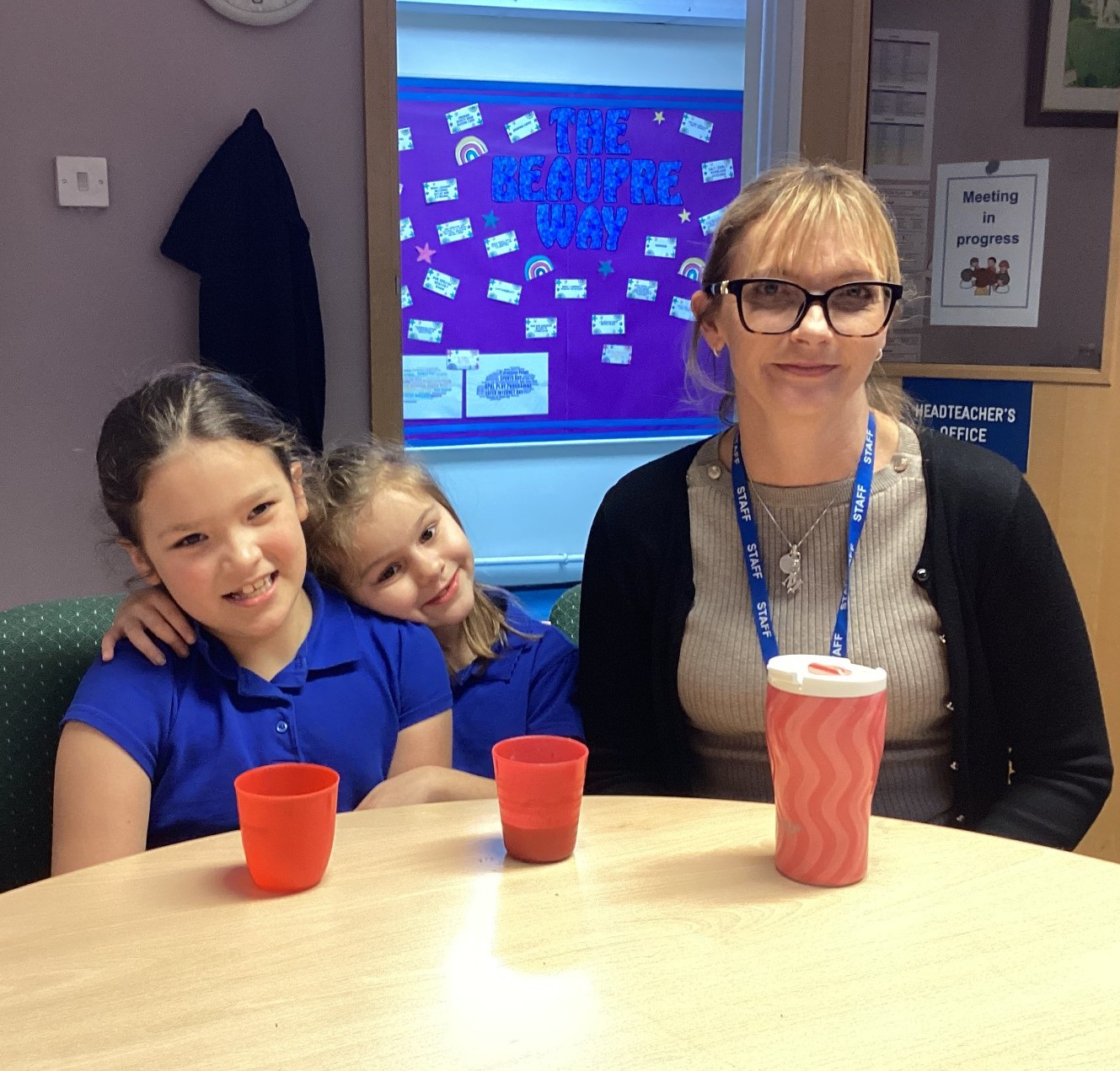
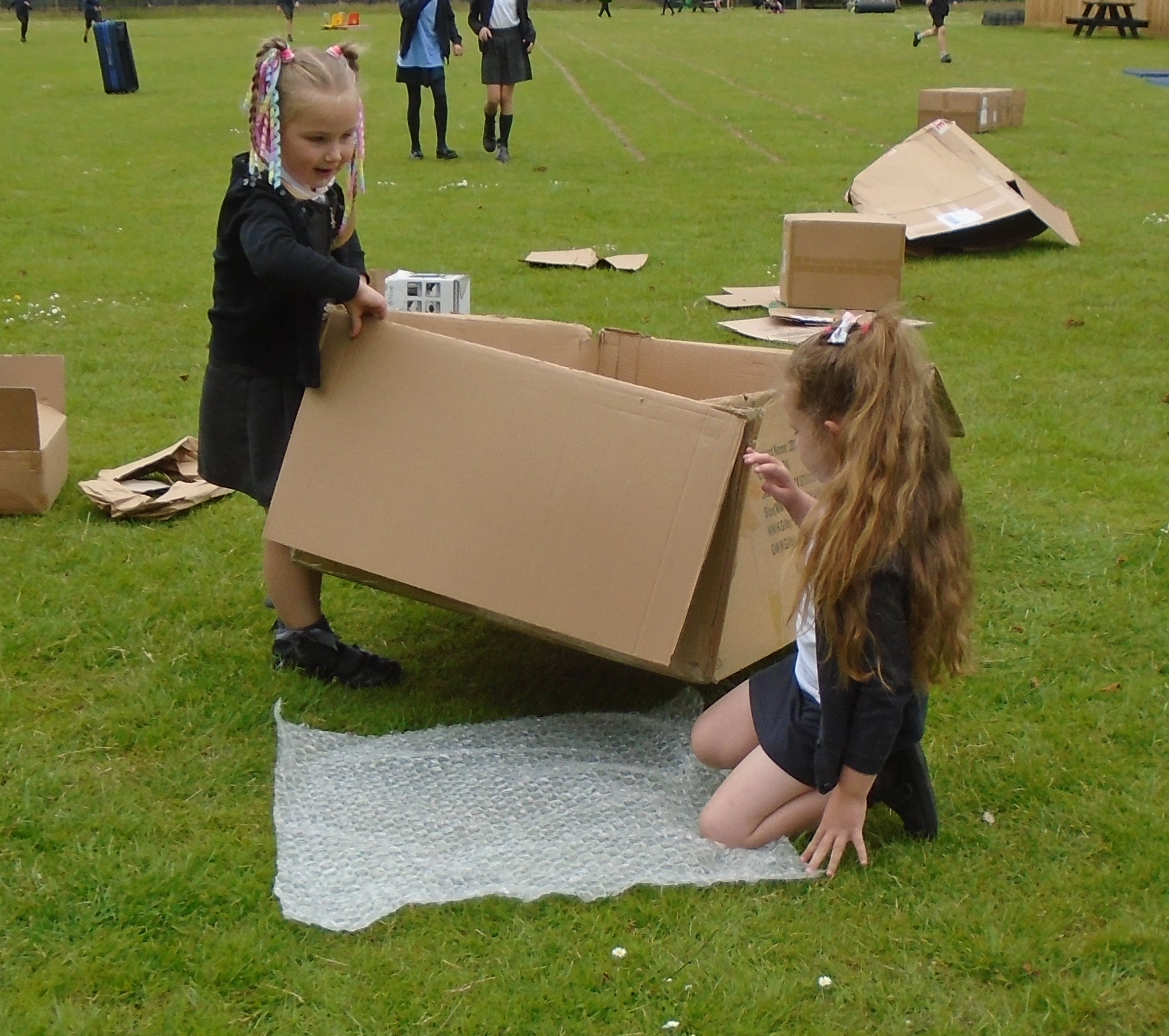
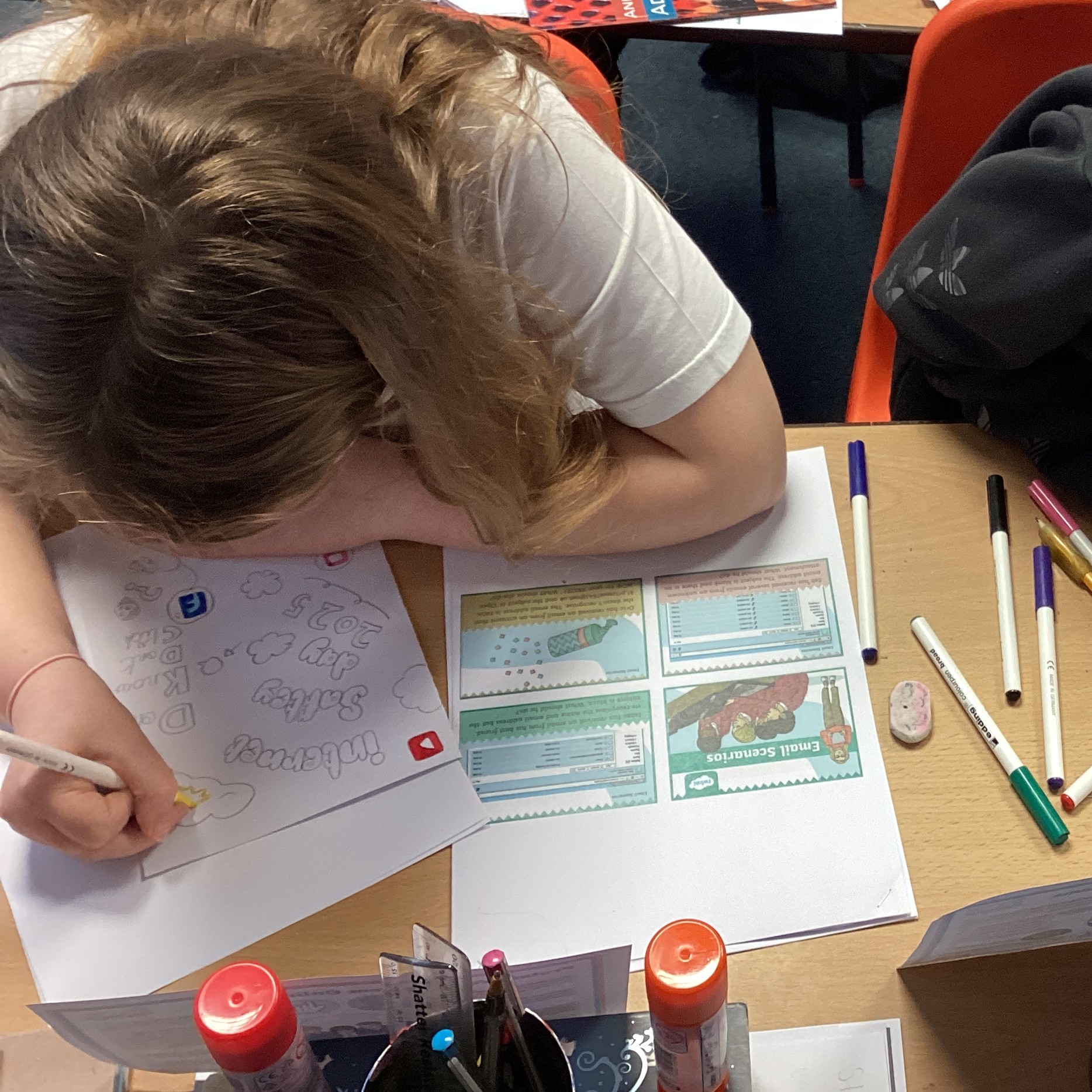
Pupils are encouraged to develop confidence, independence and a strong sense of self. Through our daily wellbeing activities, whole-school assemblies and peer mediation, the children are supported in building their self-knowledge and self‑esteem. Our OPAL charter also helps the children to understand both their rights and their responsibilities to one another. We challenge stereotypes and promote respect for others through our strong anti‑bullying culture, which is celebrated during Anti-Bullying Week. When sharing their views, pupils are taught to do so thoughtfully, with freedom of speech being modelled regularly through discussions and pupil participation. Online safety and digital citizenship are promoted regularly, through age-appropriate e-safety lessons and Safer Internet Day, encouraging responsibility and sensibility online. Children also grow their independence through taking key school roles, with Library Assistants, Restorative Leaders, School Councillors, House Captains and members of our Innovation Council and woodland working group all working to benefit the school community.
Mutual Respect and Tolerance – What do we do?
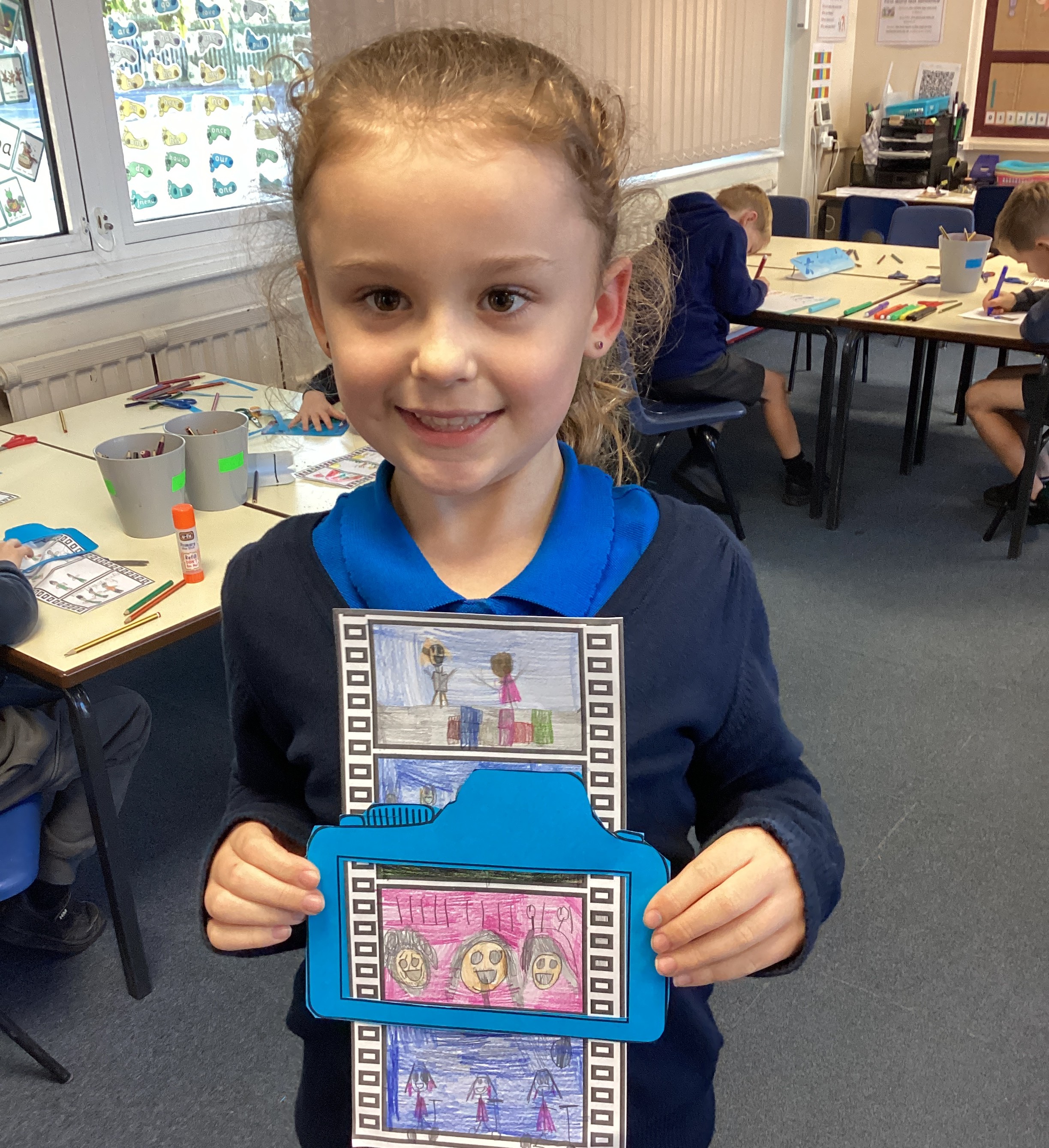
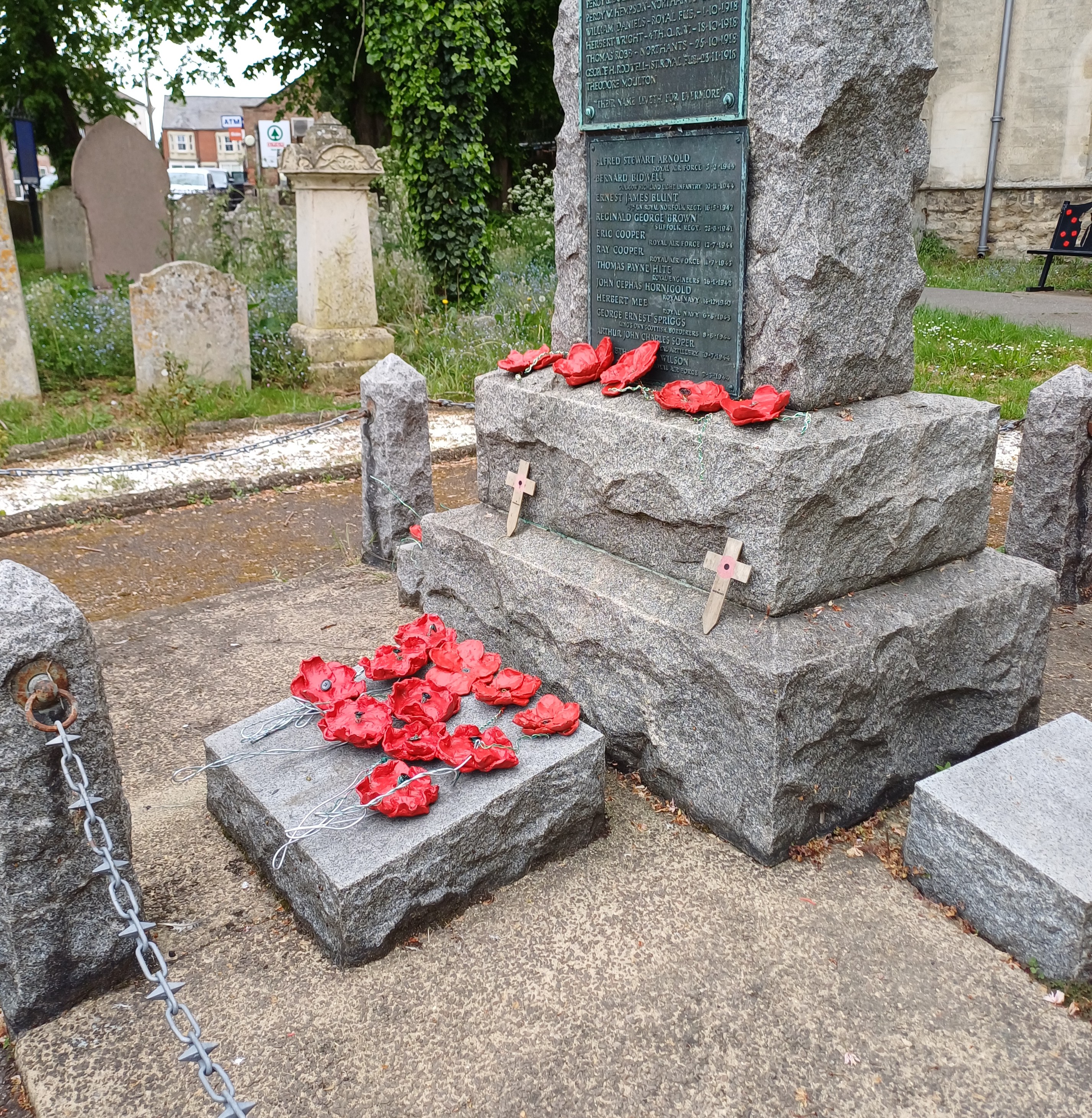
Through the No Outsiders scheme and assemblies, pupils learn about the protected characteristics of the Equality Act 2010, learning how to challenge stereotypes while exploring real‑world issues in an age‑appropriate way. We celebrate diversity by teaching a broad and rich curriculum that includes a wide range of cultures and religions, global news topics and language learning. Whole‑school events like RE Day help our pupils to appreciate different faiths and customs, while our regular RE lessons build a deeper understanding of a range of beliefs. We consistently challenge any prejudicial behaviour and encourage children to respect their own and others’ cultures. We also foster support of the local culture and faith through annual traditions, including our Nativity and carol service, as well as regular church visits. This helps the children to develop empathy, open‑mindedness and respect for the diverse world around them.

To see a full list of all the ways we promote British Values, please see the linked document below.